
 September 30, 2025
  12 Min
  No Comment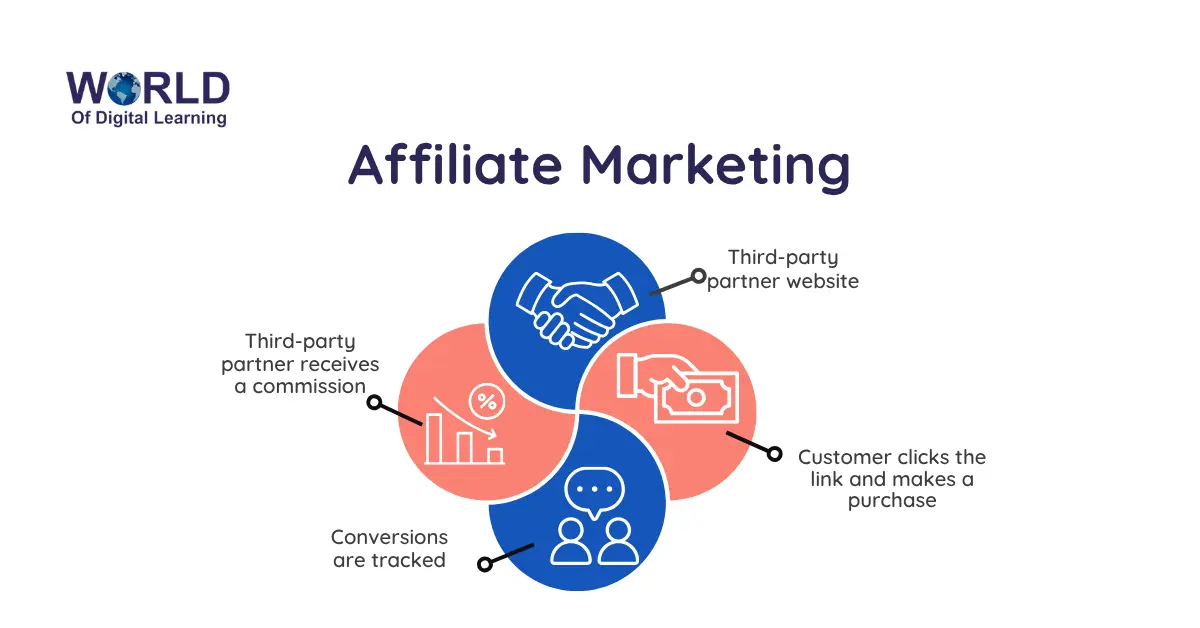
Affiliate marketing is a performance-based marketing strategy where businesses reward affiliates—individuals or companies—for promoting their products or services and driving sales or leads. Affiliates use unique tracking links to advertise these products on their websites, blogs, social media platforms, or email campaigns. When a visitor clicks an affiliate link and makes a purchase or completes a desired action, the affiliate earns a commission, which is usually a percentage of the sale or a fixed amount. This model benefits both parties: companies expand their reach without upfront marketing costs, and affiliates generate income by leveraging their audience. The success of affiliate marketing depends on selecting relevant products that resonate with the affiliate’s audience and creating authentic, engaging content like reviews, tutorials, or recommendations. It’s a flexible way to monetize online influence and offers opportunities across industries, from e-commerce to software and services. Advanced affiliates often use data analysis to optimize their campaigns and negotiate higher commission rates. With the rise of social commerce, many platforms now integrate affiliate links directly into content, making it easier for creators to convert followers into customers. Overall, affiliate marketing is a cost-effective, low-risk method that connects sellers with potential buyers through trusted voices in their niche, creating a win-win scenario for everyone involved.
Table of Contents
What is Affilicate Marketing
Affiliate marketing is a simple but powerful marketing strategy where a person or business earns money by promoting another company’s products or services. The affiliate uses special links provided by the company to advertise these products on their blog, website, social media, or emails. When someone clicks on these links and makes a purchase or completes a desired action like signing up for a service, the affiliate earns a commission, which is usually a percentage of the sale. This arrangement benefits both parties: companies can reach a wider audience through affiliates’ marketing efforts without upfront advertising costs, while affiliates make passive income by sharing products they trust. Affiliate marketing has grown immensely with the rise of online shopping and digital content creation, making it easy for anyone—from bloggers to social media influencers—to become affiliates. It requires choosing the right products that fit the affiliate’s audience and creating honest, engaging content to encourage people to buy. Tools like tracking links and analytics help affiliates see which promotions work best so they can improve their strategies. Affiliate marketing is win-win: businesses get more customers, and affiliates earn commissions by simply connecting buyers to products they like. This model has become one of the most popular ways to make money online because it’s flexible, scalable, and fairly easy to start.
Affilicate Marketing for Business Owners
Affiliate marketing offers significant advantages for business owners, especially in terms of cost-effective growth and expanded reach. It works by partnering with affiliates—individual marketers or influencers—who promote your products or services online, driving traffic and sales to your business. Business owners pay these affiliates commissions only when they successfully generate sales or leads, making it a low-risk, high-return marketing strategy. One of the biggest benefits is the ability to tap into new, targeted audiences without upfront advertising expenses. Affiliates leverage their trusted relationships with followers to introduce your brand authentically, increasing credibility and trust among potential customers. This trust often leads to higher conversion rates compared to traditional advertising. Affiliate marketing also boosts your website traffic, which can improve search engine rankings and overall brand visibility. Business owners can start with a few affiliates and scale up as they find reliable partners, allowing flexibility and adaptability in marketing efforts. Additionally, because affiliate marketers create content around your products—such as reviews and tutorials—you gain valuable backlinks and social proof, further enhancing your online presence. Overall, affiliate marketing offers business owners a scalable, performance-driven approach to growth, combining cost efficiency with the power of trusted recommendations to maximize sales and brand awareness.
Affilicate Marketing for Bloggers and Vloggers
Affiliate marketing offers bloggers and vloggers an excellent opportunity to monetize their content while maintaining authenticity and trust with their audience. By promoting products or services relevant to their niche through unique affiliate links, they can earn commissions on sales generated through their recommendations. This approach requires no product creation or inventory management, allowing creators to focus on producing high-quality content that resonates with their followers. Because these marketers already have established trust with their audience, affiliate marketing often results in higher conversion rates compared to traditional ads. It is also flexible, enabling bloggers and vloggers to work at their own pace and choose products that best fit their brand and audience interests. Additionally, affiliate marketing helps diversify income streams, which is essential for building sustainable revenue over time. Collaborating with brands and other influencers within their niche opens doors for networking and expanding reach. Many affiliate programs provide promotional materials and dedicated support, simplifying the process for beginners. Importantly, success in affiliate marketing depends on transparency and genuine product endorsements, which build credibility and long-term loyalty with the audience. Overall, affiliate marketing empowers bloggers and vloggers to turn their passion into profit by leveraging their influence and content strategically, making it a popular and accessible method for content creators worldwide.
Quick Tips for Making Money from Home
Making money from home quickly involves leveraging flexible, legitimate opportunities that fit your skills and schedule. Start by exploring online jobs such as freelancing in writing, graphic design, or digital marketing, which allow you to work on projects from anywhere and get paid per task or hour. Participating in online surveys or market research can provide easy income, although typically lower in amount, with minimal commitment. Selling handmade crafts, digital products, or used items through platforms like Etsy, eBay, or social media marketplaces is another effective way to generate cash quickly. Affiliate marketing is a popular home-based option where you promote products and earn commissions on sales through your unique links, requiring minimal upfront investment. Additionally, many companies offer remote customer service, virtual assistant, or tutoring jobs that let you work from home with stable pay and flexible hours. To succeed quickly, focus on high-demand skills, create professional profiles on job portals, and network within relevant online communities. Protect yourself from scams by researching companies before committing and never paying upfront fees for job offers. Organizing your workspace and setting daily goals helps maintain productivity while balancing home responsibilities. These practical tips allow you to tap into multiple income streams effectively, making remote work a realistic and rewarding source of money without leaving your home.
Working on Affilicate Marketing Networks
Working on affiliate marketing networks is an efficient way for marketers and businesses to connect and collaborate for mutual benefit. An affiliate marketing network is a platform that acts as a middleman between merchants (businesses selling products or services) and affiliates (marketers who promote these offerings). These networks simplify the process by allowing affiliates to find multiple affiliate programs in one place, apply to them, and manage their promotions without negotiating individually with each brand. For merchants, affiliate networks provide tracking technology, reporting tools, and payment processing, making it easier to manage large affiliate programs and reward commissions accurately. Affiliates receive unique tracking links to share on their blogs, websites, or social media, and the network records purchases made through these links, ensuring affiliates get credited properly. Networks also provide valuable insights about performance, helping affiliates optimize their campaigns. While joining affiliate networks is generally free for marketers, merchants often pay fees or commissions for the service. Networks sometimes require affiliates to meet certain standards or experience levels to maintain quality and prevent fraud. Popular affiliate networks include Amazon Associates, Rakuten Marketing, and ShareASale, offering a wide variety of products to promote. Overall, affiliate marketing networks streamline and scale the affiliate marketing process, empowering marketers to earn commissions efficiently while helping businesses expand their reach without heavy upfront advertising costs. This makes affiliate networks essential tools in the digital marketing ecosystem.
Best Network for Maximizing Revenue
The best affiliate marketing networks for maximizing revenue in 2025 are those that offer high commission rates, recurring payments, long cookie durations, and reliable support. Networks like Amazon Associates provide access to millions of products, making it easy to find items that fit your audience, but commissions tend to be lower. For higher earnings, programs like HubSpot offer up to 30% recurring commissions on a trusted brand with different reward tiers based on performance. Email marketing platforms such as AWeber and Moosend provide lucrative lifetime recurring commissions of up to 50%. Some networks, like Liquid Web, offer exceptionally high commission rates up to 300% per sale, ideal for affiliates targeting web developers or designers. High-ticket programs like MarketerHire pay flat fees of thousands of dollars per referral. Platforms such as SEMrush and Elementor also deliver substantial commissions, with SEMrush paying $200 per sale and Elementor offering 50% commissions. It’s crucial to select networks that align well with your content niche and audience interests to achieve the best conversion rates. Pay attention to cookie duration—the length of time affiliates receive commissions after a user clicks a link—as longer durations increase earnings potential. Also, consider the network’s reputation, ease of use, and payment methods to ensure smooth transactions. By carefully choosing affiliate networks based on these factors, affiliates can maximize revenue while providing value to their audience through trusted recommendations.
Best Networks Based on products to sell
When it comes to affiliate marketing, choosing the best networks based on the type of products you want to sell plays a huge role in your success. Each network has its own strengths depending on whether you’re promoting physical goods, digital services, or niche-based items. For example, Amazon Associates is ideal for selling a wide range of physical products like gadgets, books, and home essentials because it offers global trust and ease of integration. If your focus is on software, SaaS tools, or digital subscriptions, networks like ClickBank, CJ Affiliate, and Impact Radius stand out for their higher commission structures and reliable payouts. For luxury, beauty, or lifestyle-related items, ShareASale offers a strong selection of premium brands and curated partnerships. On the other hand, Rakuten Advertising is perfect for promoting international brands due to its vast network across continents. Marketers focusing on fashion or wellness products can benefit from platforms like Awin, which connects influencers and affiliate bloggers with trending brands in those spaces. When selecting a network, consider not just the commission rate but also the product quality, target audience, and promotional support offered. The right network aligns with your niche and audience interests, helping you convert traffic into consistent sales. Investing time in testing and comparing networks ensures you promote high-performing products that build trust and long-term profitability in your affiliate marketing strategy.
Affilicate Marketing Software
Affiliate marketing software plays a key role in managing, tracking, and growing your affiliate program effectively. It acts as the bridge between businesses and marketers, helping both sides monitor sales, commissions, and campaign performance in real time. This software automates the complex tasks involved in affiliate marketing, such as link tracking, performance reporting, payout management, and fraud detection. Popular platforms like Post Affiliate Pro, Tapfiliate, Refersion, and PartnerStack make it easier for companies to build strong affiliate networks without technical challenges. These tools offer simple dashboards, integration with e-commerce platforms like Shopify or WooCommerce, and features for personalized commission settings. For affiliate marketers, this software provides transparency by showing which campaigns, links, or products are generating the most conversions. Businesses benefit from detailed insights into ROI and partner performance, allowing them to refine strategies and reward productive affiliates. Cloud-based affiliate software also ensures fast setup, scalability, and secure data storage, which is essential for global marketing teams. Another advantage is automation—businesses can schedule payments, generate reports, and manage promotional materials all from one dashboard. In today’s competitive online space, using the right affiliate marketing software is not just an option but a necessity for optimizing performance, saving time, and fostering reliable partnerships that drive sustainable revenue growth.
Direct and Indirect Channels in Affilicate Marketing
In affiliate marketing, direct and indirect channels play different but equally important roles in driving sales and building brand visibility. Direct channels involve connecting brands with affiliates or partners without intermediaries. Businesses use direct channels to form personal relationships with affiliates, manage commissions manually, share custom promotional material, and maintain full control over strategies. This approach ensures better communication and higher profit margins since there is no middleman involved. On the other hand, indirect channels rely on affiliate networks or third-party platforms that connect brands with multiple affiliates at once. These platforms simplify recruitment, payment processing, and tracking, but usually charge a fee or take a percentage of sales. Indirect channels help businesses scale faster by gaining access to a large pool of ready-to-promote publishers, bloggers, and influencers. For new brands or small companies, indirect channels save time and offer instant exposure through trusted networks. In contrast, established companies often prefer direct channels to maintain closer control over brand image and performance. For best results in affiliate marketing, many businesses use a combination of both approaches—direct channels for long-term relationships and trust-based collaborations, and indirect channels for broader reach and faster campaign expansion. Balancing these two methods helps achieve sustainable growth while ensuring flexibility and cost efficiency in affiliate strategies.